



Overview
The Rongai Route is one of the most unique and less-crowded trails on Mount Kilimanjaro, offering an exclusive approach from the northern side near the Kenyan border. Known for its serene wilderness and unspoiled scenery, this route provides trekkers with panoramic views over the Amboseli plains and a tranquil climbing experience away from the busier southern routes.
Beginning in the lush farmlands of Rongai, the trail gently ascends through pine forests, heathlands, and alpine deserts before merging with the Marangu Route at Kibo Hut for the final summit push to Uhuru Peak (5,895m/19,341ft). The gradual ascent makes it an excellent option for those seeking a smoother acclimatization profile and a high chance of reaching the summit.
Available in 5 and 6-day itineraries, the Rongai Route combines adventure, comfort, and solitude, ideal for trekkers who prefer a quieter environment with equally stunning landscapes. Its dry northern climate also makes it one of the best routes to climb during the rainy season. Whether you are a seasoned adventurer or a first-time climber, the Rongai Route delivers a perfect blend of scenic beauty, physical challenge, and cultural experience.
Highlights
- Remote and less-crowded northern approach
- Stunning views of Kenya’s Amboseli plains
- Unique wilderness and scenic landscapes
- Suitable for both dry and rainy seasons
- Gradual ascent for easier acclimatization
Itinerary
-
Elevation: 1,400m (4,593ft)
- Arrive at Kilimanjaro International Airport (JRO) and transfer to your hotel in Arusha/Moshi.
- Meet your guides for a pre-climb briefing, gear check, and safety instructions.
- Rest and prepare for the trek.
- Overnight: Moshi/Arusha Hotel
- Meals: Dinner
-
Elevation: 1,997m / 6,552ft to 2,635m / 8,645ft
Altitude Gained: 638mYour adventure begins with a scenic 4–5-hour drive from Moshi through coffee plantations and Chagga villages to the Rongai Gate near the Kenyan border. After registration and permit clearance, you’ll meet your mountain crew before starting your hike through lush rainforest trails. The route gradually ascends, offering chances to spot colobus monkeys and rich birdlife. You’ll arrive at Simba Camp, located near the first cave and overlooking the wide plains of Kenya.
Overnight at Simba Camp.
Meals: Breakfast, Lunch, Dinner
-
Elevation: 2,635m / 8,645ft to 3,487m / 11,440ft
Altitude Gained: 852mAfter breakfast, you’ll continue trekking through the moorland zone on a gentle ascending path. The lush forest begins to thin out, revealing spectacular views of Kibo Peak and the vast alpine slopes ahead. The trail passes through heather and small shrubs before arriving at Second Cave Camp, offering clear skies and panoramic views of the Eastern ice fields.
Overnight at Second Cave Camp.
- Meals: Breakfast, Lunch, Dinner
-
Elevation: 3,487m / 11,440ft to 3,936m / 12,913ft
Altitude Gained: 449mToday’s trek continues upward into the semi-desert zone. The vegetation becomes sparse as the landscape opens to vast stretches of rocky terrain. You’ll take a steady pace to aid acclimatization, with breathtaking views of Mawenzi Peak in the distance. This shorter day allows your body to adjust to the altitude while enjoying the raw beauty of Kilimanjaro’s northern face.
Overnight at Third Cave Camp.
-
Meals: Breakfast, Lunch, Dinner
Elevation: 3,936m / 12,913ft to 4,703m / 15,430ft
Altitude Gained: 767m
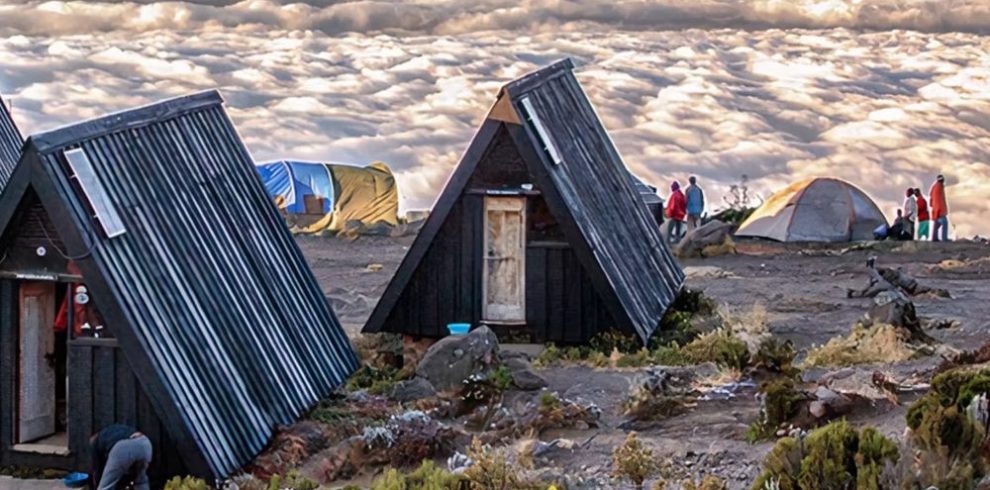
You’ll depart early across the stark alpine desert toward Kibo Huts, located beneath Kibo’s crater wall. The air grows thinner as you ascend, and the scenery becomes increasingly dramatic. Upon arrival, you’ll rest, hydrate, and prepare for your final summit push. Your guide will brief you on the midnight ascent, ensuring all gear and clothing are ready for the challenging climb ahead.
Early dinner and overnight rest at Kibo Huts.
Meals: Breakfast, Lunch, Dinner
Elevation: 4,703m / 15,430ft to 5,895m / 19,341ft (Uhuru Peak)
Altitude Gained: 1,192m
Descent To: 3,720m / 12,205ft
Altitude Lost: 2,175m
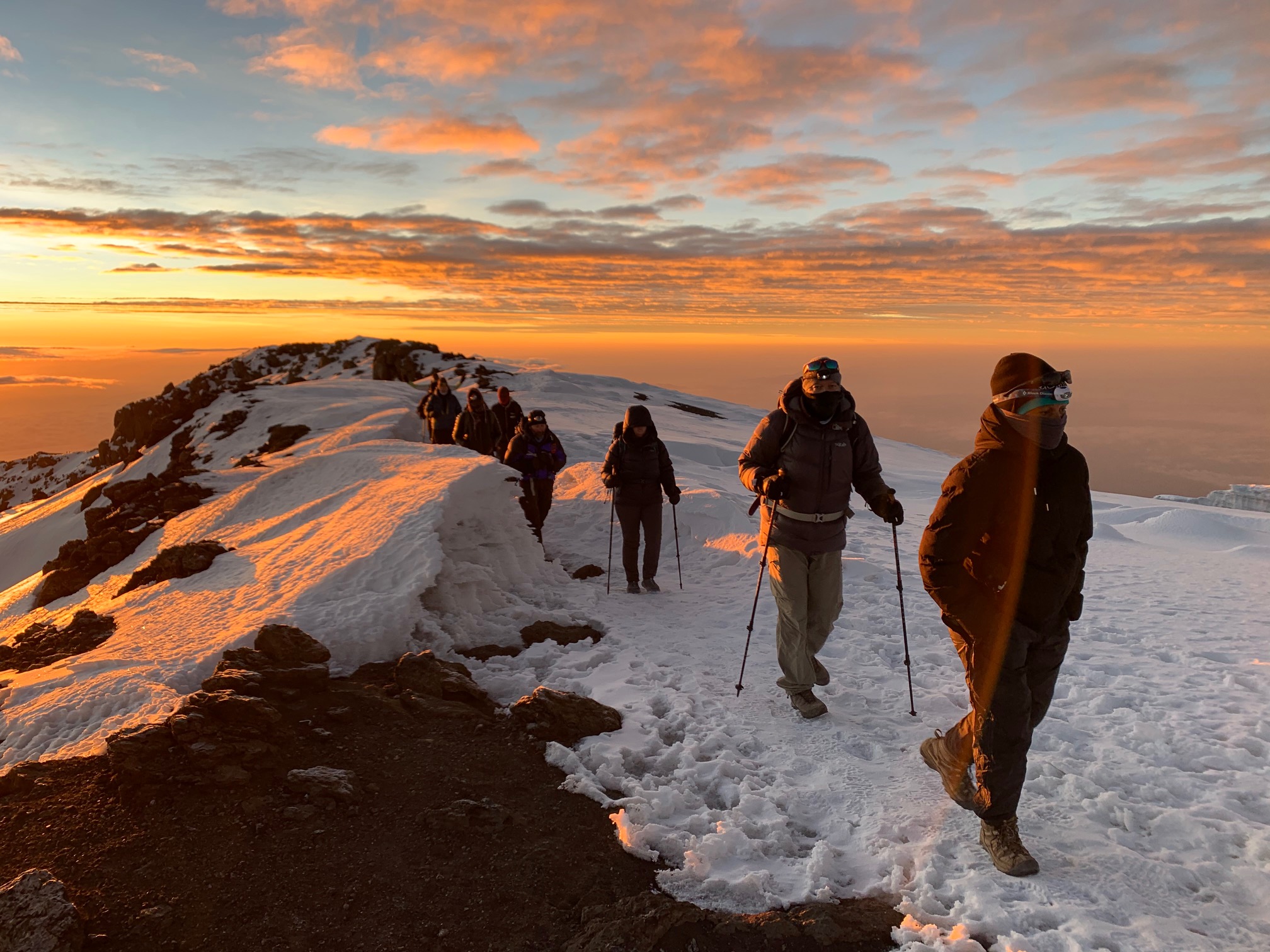
This is the most demanding yet rewarding day of the trek. Starting just after midnight, you’ll ascend in the dark with the help of headlamps, navigating steep scree toward Gilman’s Point (5,681m) on the crater rim. After a short rest and a stunning sunrise, continue for another hour to reach Uhuru Peak, the highest point in Africa.
After celebrating this incredible achievement, you’ll begin your descent to Kibo Hut for a brief rest and lunch, then continue down to Horombo Hut for your final night on the mountain.
Overnight at Horombo Hut.
Meals: Breakfast, Lunch, Dinner
Elevation: 3,720m / 12,205ft to 1,870m / 6,135ft
Altitude Lost: 1,850m
After breakfast and a farewell ceremony with your mountain crew, you’ll begin your final descent through the lush rainforest to Marangu Gate. Here you’ll receive your well-earned summit certificate before being driven back to Moshi. Enjoy a hot shower, a celebratory dinner, and a well-deserved rest at your hotel after conquering the roof of Africa.
Overnight at The Maridadi Hotel (B&B).
Meals: Breakfast & Lunch
Cost
The Cost Includes
- All park entry fees
- Accommodation
- Meals: Breakfast, Lunch, and Dinner during the trek
- Professional, experienced guide and porters
- Tanzania VAT tax
- Mountain huts: Mandara, Horombo, Kibo
- Summit certificate for reaching Uhuru Peak
- Transportation from Moshi to Lemosho Gate and back
- Oxygen supply and first-aid kit
The Cost Excludes
- International and domestic flights
- Visas and travel insurance
- Personal trekking gear (clothing, sleeping bag, etc.)
- Tips for the guide, porters, and cook (recommended: $10–$15 per day)
- Drinks: Soft drinks, alcoholic beverages, and bottled water (not included in meals)
- Personal expenses (souvenirs, snacks, etc.)
- Optional services: Extra porters, personal cook, etc.
FAQs
The Rongai Route is considered moderately difficult and ideal for beginners with good fitness. Its gradual ascent profile and steady terrain make acclimatization easier, offering one of the highest success rates for reaching the summit.
The Rongai Route can be climbed year-round, but the best months are January to early March and June to October. Because it approaches from the northern side, it is drier and a great choice even during the rainy season.
Accommodation is in high-quality mountain tents equipped with comfortable sleeping mats. You’ll also have access to dining tents, portable toilets, and professional camp services provided by our experienced crew.
To prepare, we recommend regular cardio and endurance training before your climb. The Rongai Route allows a gradual ascent, which helps your body acclimatize naturally. Hydration, proper nutrition, and following your guide’s instructions are key to minimizing altitude sickness.
Yes. The Rongai Route is the least crowded trail on Mount Kilimanjaro, offering a quieter and more private climbing experience. It’s perfect for those who prefer solitude, pristine wilderness, and unspoiled views of the northern slopes.